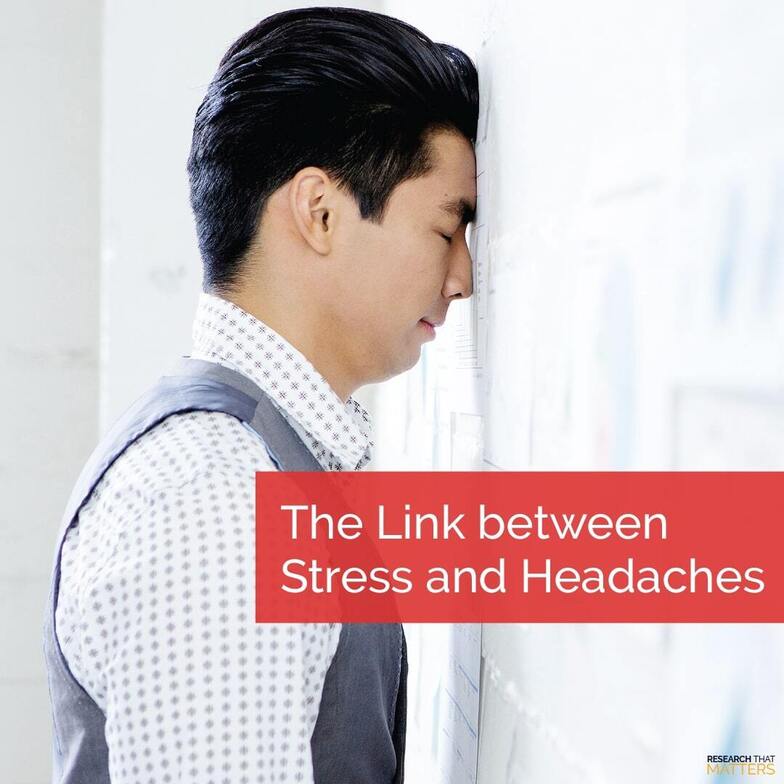
Can Stress Cause Headaches? What Buffalo, MN, Patients Should Know.
The Bottom Line
Stress is one of the most common headache triggers we hear about from patients at InMotion Chiropractic in Buffalo, MN. A busy workday, poor sleep, jaw clenching, long hours at a desk, or tension through the neck and shoulders can all contribute to the stress-headache cycle. Why does this happen, and what can be done about the stress and headache cycle? Read on.
Why it Matters
Way back when, our bodies evolved the fight-or-flight response to ensure we were adequately prepared to deal with the physical dangers we could realistically have encountered daily. As a result, our heart and breathing rate, blood pressure, and blood flow to our extremities all increase during such an event. It's this fight-or-flight response that allowed us to effectively prepare for battle or flee predators in the wild. Of course, we're still hardwired with this very useful and necessary instinct, but times certainly have changed! Today, our bodies find it more difficult to differentiate between physical danger and psychological stress. We may react to that dreaded big meeting at work with the same internal reactions as if we were being chased by someone or something!
So, how does all this relate to headaches? If there's one thing you should understand about stress, it's that it can and often will worsen your symptoms when you're not feeling well. There is a very real link between all kinds of stress and headaches. Episodic headaches, or those that occur sporadically, are often triggered by isolated, stressful incidents. A few of the most common everyday stress triggers include anxiety, poor sleep habits, or significant life changes. Chronic headaches are often triggered by daily, constant stress and a lack of regular exercise. To help you combat this cycle of stress and headaches, we've compiled a list of some of our top tips for reducing stress so you can reduce your headaches.
Tips for Reducing Stress and Headaches
Exercise More
Regular exercise boosts endorphins, which help put you in a better mood. Making time to get up, get out, and get moving regularly also helps boost your overall energy levels so you can shift your focus away from whatever event or string of events is stressing you out.
Get Some Sleep
I repeat: get some sleep to turn the dial down on stress and headaches. When you can, aim to get at least 8 hours of sleep each night and do your best to keep your sleep schedule consistent. Falling asleep at the same time every night and getting up at the same time each morning will help you fall into a healthy sleep pattern. Recent studies indicate that our sleeping habits can contribute to our risk of experiencing headaches, particularly migraines. In fact, the majority of people living with chronic migraines and other chronic types of headaches often also experience some level of insomnia.
Relax
This is more than just a mantra when it comes to reducing stress and headaches. It's important to set aside time to specifically practice relaxation techniques that can help you feel calm during periods of high stress. Meditation and yoga are two techniques that can help you feel both physically and mentally relaxed, so you can mitigate the onset of stress.
See a Chiropractor
Keeping your spinal joints moving correctly can help reduce the strain on your spine and its supporting muscles. Chiropractic care may help reduce tension through the neck, upper back, and supporting muscles so your body can move more comfortably. So, come see us for natural tension headache treatment in Buffalo, MN. Tension headaches are triggered when the neck and scalp muscles become tense or contract, and this often occurs when we hold our heads in one position for an extended period of time. Many people spend their days working at a desk, and doing so for hours on end usually results in an uptick in tension headaches. Sleeping with your neck in an awkward position may also trigger a tension headache.
Recent studies have shown that chiropractic care can help headache patients find relief. A chiropractic evaluation can help identify movement restrictions, muscle tension, posture habits, and other contributing factors that may be involved with tension headaches, so your care plan is based on what your body actually needs.
FAQ
Can stress cause headaches?
Yes. Stress can contribute to muscle tension, jaw clenching, poor sleep, and changes in breathing or posture, all of which may play a role in headaches.
What does a stress headache feel like?
Many people describe tension-type headaches as pressure, tightness, or a band-like sensation around the head. Neck and shoulder tension may also be present.
Can chiropractic care help with tension headaches?
Chiropractic care may help when headaches are related to neck tension, joint restriction, posture, or muscle tightness. A chiropractor can evaluate what may be contributing to your symptoms.
When should I get help for headaches?
If headaches are frequent, worsening, interfering with your life, or paired with unusual symptoms, it is a good idea to consult a healthcare professional.
Next Steps
If stress, neck tension, or recurring headaches are interfering with your day, InMotion Chiropractic in Buffalo, MN can help you better understand what may be contributing to your symptoms. We’ll evaluate your movement, posture, neck mobility, and daily habits, then build a care plan that fits your goals. Contact us to schedule an appointment.
Science Sources: Sleep and Migraine. Headache. 2018.
Manual Therapy Effect on Tension Headache. Eur J Phys Rehabil Med. 2016.